
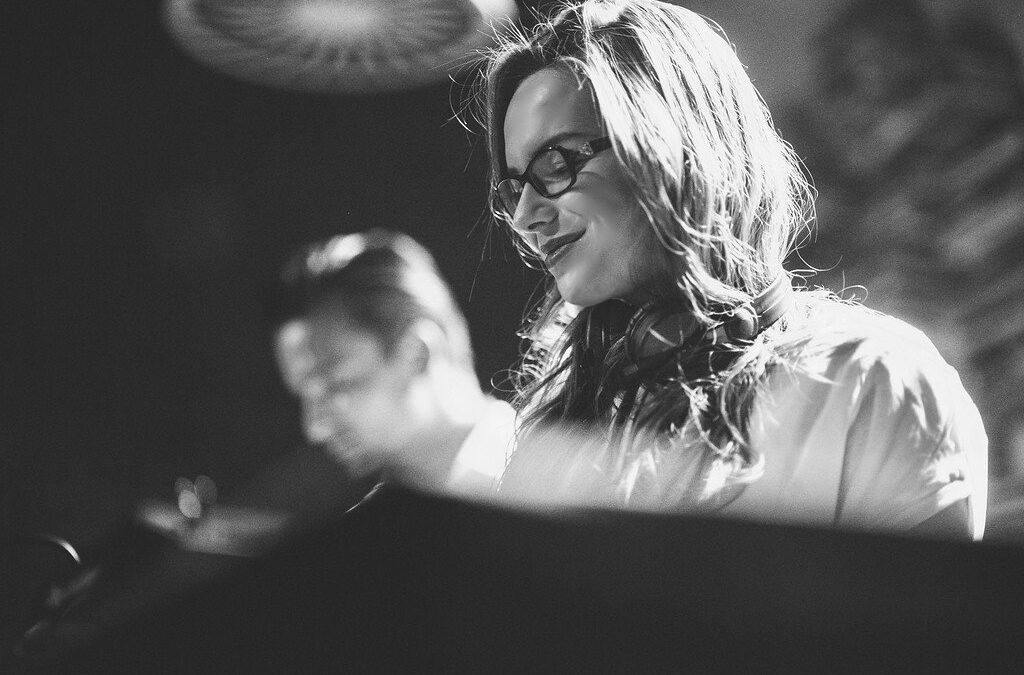
A memorable DJ set is never just a collection of good tracks.
The music matters, of course. Every selection carries its own rhythm, emotion and character. But the atmosphere of a set is created in the space between the tracks: in the timing, the tension, the transitions and the invisible connection between the DJ and the people in front of them.
For me, DJing is not about playing as many recognisable songs as possible. It is about creating a journey that feels natural, even when nobody knows exactly where it is going.
Atmosphere Begins Before the First Track
Every space has its own energy.
A rooftop at sunset requires a different musical language from a dark underground club. A hotel lounge, a private celebration and an open-air event may all need completely different approaches, even when the musical style remains within electronic music.
Before I begin a set, I observe the environment.
How are people entering the room? Are they talking, dancing, waiting or still discovering the space? Is the atmosphere elegant and relaxed, or is there already a sense of anticipation? What does the venue look like, and how does the sound interact with it?
The first tracks should not fight the room. They should introduce themselves to it.
Sometimes the right beginning is warm, melodic and spacious. Sometimes it needs a deeper pulse from the first minute. The opening is an invitation. It tells the audience what kind of world we may enter together.
Reading the Room Is a Form of Listening
A DJ may stand behind the decks, but the set is never created alone.
The audience communicates constantly, often without words. A change in movement, attention or energy can reveal more than any request. People may move closer to the dance floor, turn toward the music, begin to dance or suddenly lose connection.
Reading the room means noticing these signals without becoming controlled by them.
There is a delicate balance between responding to the audience and maintaining an artistic direction. Following every immediate reaction can make a set feel fragmented. Ignoring the room completely can make it feel distant.
The goal is not simply to give people what they already know they want. It is to understand where they are emotionally and guide them somewhere new.
Energy Needs Space to Breathe
One of the most important parts of building atmosphere is learning not to rush.
A powerful set cannot remain at its highest intensity from beginning to end. Without contrast, even the strongest drop eventually loses its impact. Energy needs movement. It must rise, open, retreat and return.
I think of a set as a conversation between tension and release.
A hypnotic rhythm may hold the room in suspense. A melodic passage may create space for emotion. A deeper track can reset the energy before the next peak. Silence, restraint and repetition can sometimes be more powerful than constant intensity.
The quieter moments are not empty. They prepare the audience to feel the next moment more deeply.
This is especially important in melodic techno, deep house and other emotional forms of electronic music. These genres can carry both euphoria and sadness at the same time. A set may feel uplifting without becoming superficial, or melancholic without losing its energy.
That emotional contrast is where the music begins to feel human.
Transitions Tell the Story
Individual tracks are chapters. Transitions are the sentences connecting them.
A technically clean transition is important, but technique alone does not create meaning. The emotional relationship between two tracks matters just as much as tempo or key.
Sometimes two tracks connect because they share a rhythm. Sometimes one continues a melody introduced by the other. At other moments, contrast creates the strongest transition: light moving into darkness, softness becoming pressure or familiarity dissolving into something unexpected.
The best transitions often feel inevitable in retrospect.
The audience may not consciously analyse what happened, but they feel that the set is moving with purpose. The music becomes more than separate recordings. It becomes one continuous composition created for a specific place and a specific moment.
Preparation Creates Freedom
Spontaneity is an essential part of DJing, but it is supported by preparation.
Knowing my music allows me to respond instinctively. I organise tracks according to energy, emotion, rhythm and atmosphere, but I do not want the final set to feel predetermined. A playlist can provide direction, yet the room must always have space to influence the journey.
Preparation gives me a vocabulary. The live moment decides how I use it.
This is why discovering music is such an important part of the process. I am not only searching for tracks that sound good individually. I look for music that can open a story, change its direction or create a moment people will remember.
Sometimes that moment comes from a dramatic melodic peak. Sometimes it is created by a subtle groove that slowly transforms a room without demanding attention.
The DJ Is Part of the Atmosphere
The presence of the DJ also affects the experience.
People can sense when someone is genuinely connected to the music. They can feel concentration, joy, nervousness, confidence and honesty. DJing does not require exaggerated performance, but it does require presence.
For me, authenticity is more important than trying to appear perfect.
When I play, I want to be fully inside the music while remaining aware of the people around me. The booth should not become a wall between the DJ and the audience. It should be the point from which energy circulates through the entire space.
The connection may be loud and visible, or quiet and almost private. Both can be powerful.
What Remains After the Music Ends
People may not remember the title of every track. They may not notice every transition or understand every decision made during the set.
But they remember how the experience felt.
They remember the moment the room changed. The track that arrived exactly when they needed it. The feeling of being surrounded by strangers who suddenly seemed connected by the same rhythm.
That is the atmosphere I search for when I play.
A DJ set is temporary. It exists only in one place, for one group of people, during one particular period of time. Once it ends, it can never be recreated in exactly the same way.
Perhaps that is what makes it so powerful.
For a few hours, music creates its own reality. And when the final track fades, something invisible remains: a memory, an emotion or a new energy carried beyond the dance floor.
That is when a DJ set becomes more than music.
It becomes an experience.
