
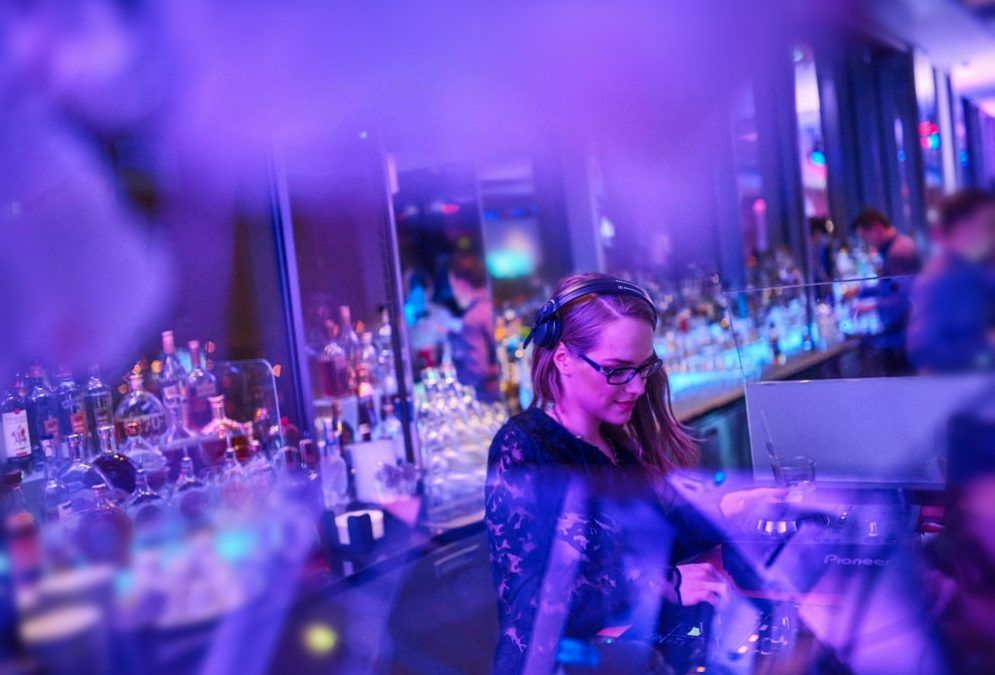
Music is one of the most powerful elements of hospitality, yet it is often treated as background decoration.
In reality, the right music can influence how a space feels, how long guests stay, how they interact with the environment and how they remember the experience afterwards. In hotels and restaurants, music is not simply entertainment. It is part of the identity of the venue.
When selected with intention, music can transform an ordinary visit into a complete sensory experience.
Music Shapes the First Impression
Guests begin forming an opinion of a venue within moments of entering.
They notice the lighting, the interior, the scent, the service and the overall energy of the room. Music connects all of these elements. It can make a space feel elegant, relaxed, vibrant, intimate or sophisticated before the guest has even looked at the menu.
A beautifully designed restaurant can lose its atmosphere if the music feels random, too loud or disconnected from the concept. In the same way, a simple hotel bar can feel distinctive and memorable when the soundtrack supports the character of the space.
Music gives a venue an emotional temperature.
Every Venue Needs Its Own Musical Identity
A luxury hotel, rooftop bar, fine dining restaurant and relaxed neighbourhood café should not sound the same.
The music should reflect the personality of the brand, the architecture, the audience and the purpose of the venue. A strong musical identity helps create consistency and allows guests to understand the atmosphere intuitively.
For example, a boutique hotel may benefit from refined electronic music with warm textures and subtle rhythm. A rooftop venue may need music that develops from relaxed daytime energy into a more dynamic evening atmosphere. A restaurant focused on social dining may require a lively but balanced soundtrack that supports conversation without dominating it.
The goal is not to follow trends blindly. The goal is to create a sound that belongs to the venue.
Music Should Change Throughout the Day
The energy of a hospitality space is never static.
Breakfast, lunch, sunset, dinner and late evening each require a different musical approach. The same playlist played from morning until night rarely works.
Morning music should often feel light, spacious and welcoming. During lunch, the rhythm may become slightly more present while remaining comfortable. Dinner can introduce more depth, elegance and emotional colour. Later in the evening, the music may gradually become more energetic, especially in hotel bars, lounges or restaurants that transition into nightlife.
This progression should feel natural.
Guests may not consciously notice every musical change, but they will feel when the atmosphere moves smoothly with the rhythm of the day.
Volume Is Part of the Experience
Choosing the right music is only one part of the process. Volume is equally important.
Music that is too quiet can make a venue feel empty or uncomfortable. Music that is too loud can create tension, interrupt conversation and reduce the quality of the dining experience.
The correct volume depends on the size of the room, the number of guests, the acoustics and the time of day. It should be adjusted regularly, not left at one fixed level.
Good hospitality music supports the room rather than competing with it.
The Difference Between a Playlist and a Live DJ
A carefully designed playlist can create consistency and work well during quieter periods. However, a live DJ adds another level of responsiveness.
A DJ can read the room, react to changes in the audience and shape the energy in real time. This is particularly valuable during brunches, sunset sessions, hotel events, fashion dinners, brand activations and evenings when a restaurant gradually transforms into a social destination.
The role of a hospitality DJ is different from the role of a club DJ.
The goal is not always to fill a dance floor. Often, the DJ is responsible for creating movement without pressure, energy without disruption and character without overwhelming the guest experience.
This requires sensitivity, patience and a strong understanding of the venue.
Music Influences How Guests Behave
The atmosphere created by music can affect the pace of the entire space.
Relaxed music can encourage guests to slow down, stay longer and enjoy the environment. More rhythmic music can increase energy and support a lively social atmosphere. Softer selections can help create intimacy, while stronger electronic textures can make a venue feel more contemporary and dynamic.
Music also affects the team.
When the soundtrack is well chosen, staff often move with greater confidence and the service feels more natural. The entire room begins to share one rhythm.
This is why music should be considered part of the operational concept, not an afterthought.
Music as Part of Brand Memory
Guests may forget individual details of a meal or hotel stay, but they often remember how the experience made them feel.
Music plays a major role in creating that memory.
A strong soundtrack can become part of the venue’s signature. It can support brand recognition and create a sense of familiarity for returning guests. Over time, the sound of a place can become just as distinctive as its interior, menu or service style.
The best musical concepts do not simply fill silence. They build identity.
A Thoughtful Approach to Hospitality Music
For me, creating music for hotels and restaurants begins with understanding the venue.
I consider the brand, the guests, the architecture, the flow of the day and the emotional experience the venue wants to create. From there, I shape the music through careful selection, timing and progression.
Whether through a live DJ set or a curated music concept, the objective remains the same: to make the atmosphere feel natural, distinctive and connected to the space.
When music is chosen with care, guests may not always talk about it directly.
They simply stay longer, feel better and remember the place.
