
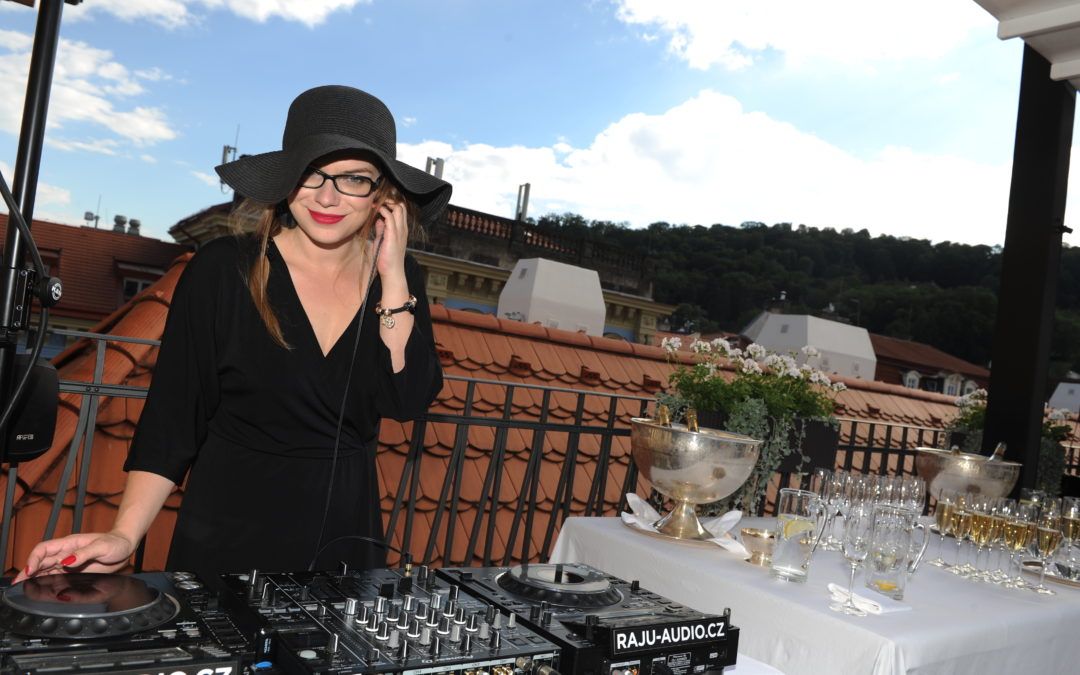
There are places we remember because of the food, the view or the people we met there.
And then there are places we remember because of how they made us feel.
Music is often part of that memory, even when we do not consciously notice it. A bassline underneath a late dinner, a soft electronic rhythm during sunset, a melody drifting through a hotel lobby. These details become attached to a moment and quietly remain with us.
For me, this is where hospitality and music truly meet.
A Venue Has Its Own Rhythm
Every hotel and restaurant has a natural rhythm.
It begins with the arrival of the first guests, grows through the movement of the staff and changes as the room fills. Glasses touch, conversations become louder, lights become warmer and the atmosphere gradually transforms.
Music should move with that rhythm.
It should never feel as though it has been placed on top of the venue. It should feel as though it belongs there.
When I enter a space, I listen before I play. I notice how people move, how the room sounds without music and where the energy naturally gathers. A small dining room requires a different sensitivity from a rooftop terrace. A hotel lobby speaks a different language from a late-night bar.
The venue always offers clues.
Not Every DJ Set Needs a Dance Floor
One of the most interesting parts of playing in hotels and restaurants is that success cannot always be measured by how many people are dancing.
Sometimes the best set is the one that changes the atmosphere almost invisibly.
Guests begin to relax. Conversations flow more easily. The room feels warmer and more connected. People stay for another drink without fully knowing why.
That is a different kind of energy from a club, but it is no less powerful.
A hospitality DJ must understand when to lead and when to step back. The music should have presence, but it should not demand attention every second. It should create movement without disturbing the natural experience of the guests.
There is a quiet confidence in knowing that the music is working, even when nobody is looking directly at the DJ booth.
Music Can Change the Meaning of a Space
The same room can feel completely different depending on its soundtrack.
A hotel bar can feel formal and distant, or intimate and contemporary. A restaurant can feel rushed, romantic, playful or cinematic. A rooftop can become a calm escape above the city or a vibrant social destination.
Music changes the emotional architecture of a place.
This is why I do not believe in one universal hospitality playlist. A soundtrack should be built around the identity of the venue and the experience it wants to offer.
The music should understand the space before asking the guests to understand the music.
The Beauty of Gradual Change
I am drawn to sets that evolve slowly.
In hospitality environments, the transition between moods is especially important. Guests may arrive during daylight, order dinner at sunset and stay until late evening. The music must travel with them.
A sudden change can break the atmosphere. A thoughtful progression can deepen it.
The rhythm may begin softly, with open space and subtle detail. Later, percussion becomes more defined, melodies become more expressive and the room begins to carry a different energy.
By the time the music becomes stronger, the guests should feel that the change happened naturally.
A good evening does not begin at its peak. It unfolds.
The Human Side of Selection
Track selection is not only about taste.
It is about empathy.
A DJ needs to understand what the audience may need from the room at that particular moment. Sometimes people want energy. Sometimes they want comfort. Sometimes they want to feel elegant, free or briefly transported somewhere else.
The music should respond without becoming predictable.
This is the balance I search for in every hospitality set: something accessible enough to connect, but distinctive enough to give the place its own voice.
Creating a Memory Without Words
The most beautiful moments often happen without announcement.
A guest looks up when a particular track begins. Someone starts moving gently beside the bar. A group stays longer than expected. The atmosphere becomes fuller, even though nothing visible has changed.
These are small moments, but they are the reason I love playing in hotels and restaurants.
Music does not need to dominate a place to define it.
Sometimes it only needs to arrive at exactly the right moment.
And when it does, the venue becomes more than a location. It becomes a feeling, a memory and a story the guests take home with them.
